The problem at a typical campsite
At most campsites, electricity and water at the hook-up pillars are not metered individually. Guests pay a flat fee regardless of how much they use, and the owner has no data on which pitch is overloaded or where water is running for no reason. Check-in and billing are often handled manually.
Pillars with controlled power supply
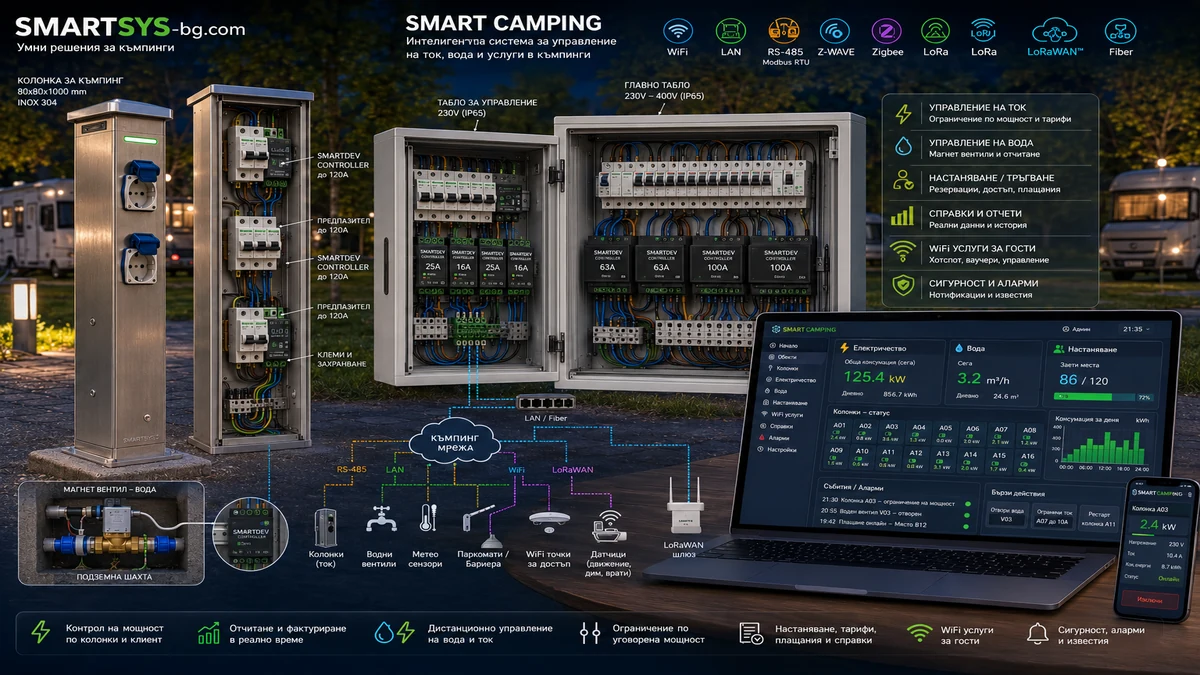
Each campsite pillar (stainless steel, for outdoor installation) contains a controller that measures power and limits it according to a set threshold and tariff. The owner sees the consumption of every pillar separately and can set a limit depending on the type of pitch.
Water management
Solenoid valves at the water points make it possible to shut off and restore the water supply remotely and to meter consumption per pillar or zone. If a repair is needed or a fee has not been paid, the water can be turned off remotely without walking the grounds.
Check-in and payments
- Reservations and check-in, with each pitch linked to a pillar
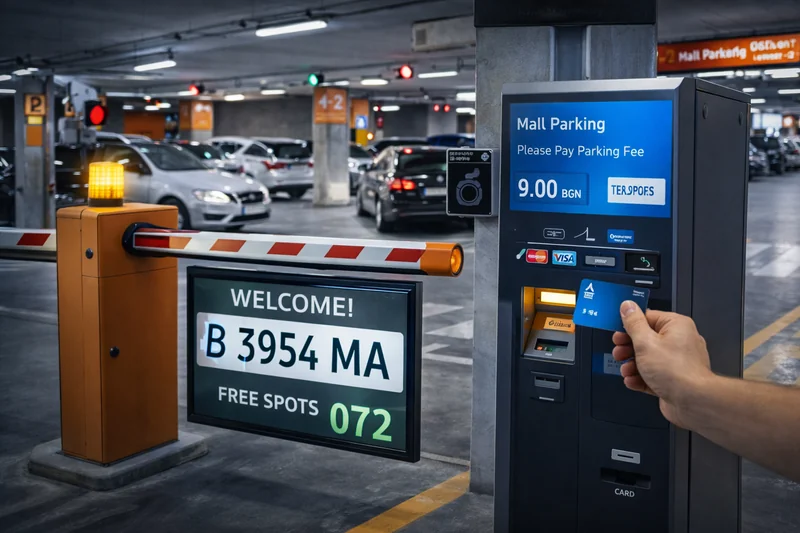
- Real-time occupancy tracking — how many pitches are free
- Online and on-site payments linked to consumption
- Check-out — automatic release of the pitch and closing of the bill
WiFi for guests
Access points across the campsite provide guest WiFi, with vouchers or access management tied to the booking, so no separate internet system is needed.
Reports and statistics
An online dashboard shows total electricity and water consumption in real time and by day, the status of each pillar, pitch occupancy and the event history — from a valve opening to an on-site payment.
Security and alerts
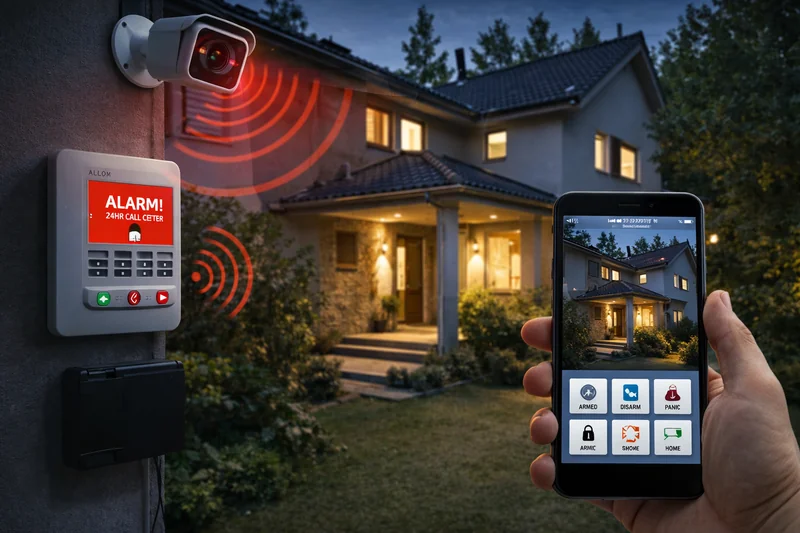
Motion, smoke and door-opening sensors send alerts when something is wrong. Alarms and events from the whole system appear on a single dashboard that is also accessible from a phone.
Connectivity across the site
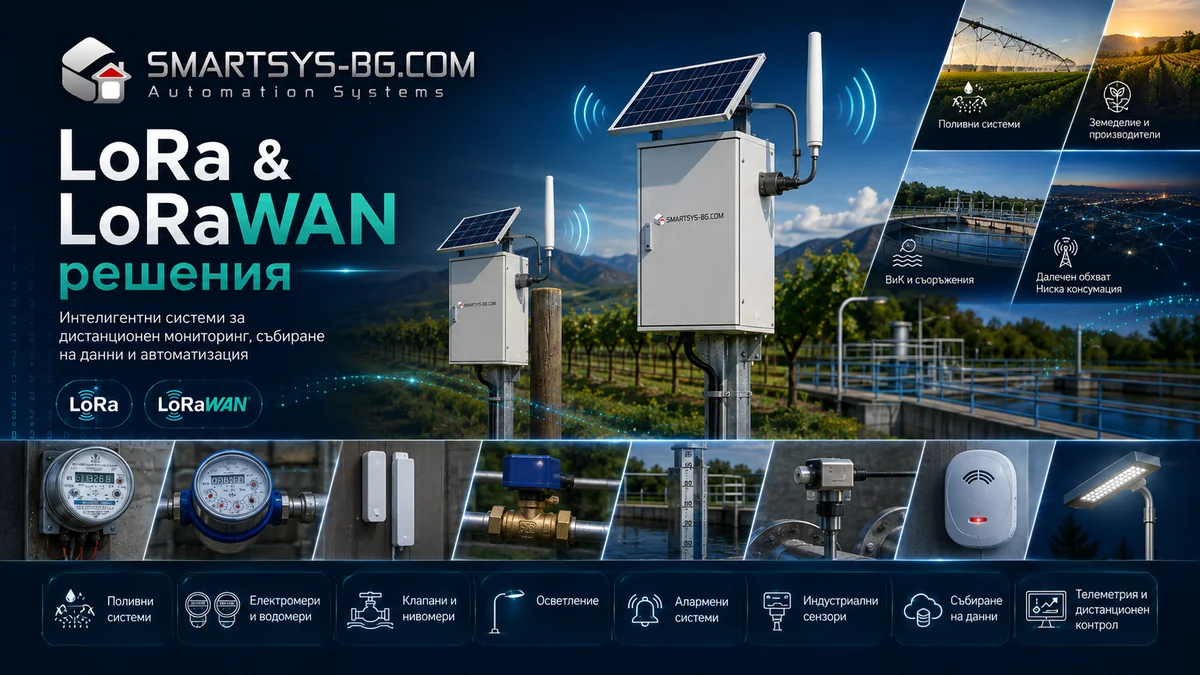
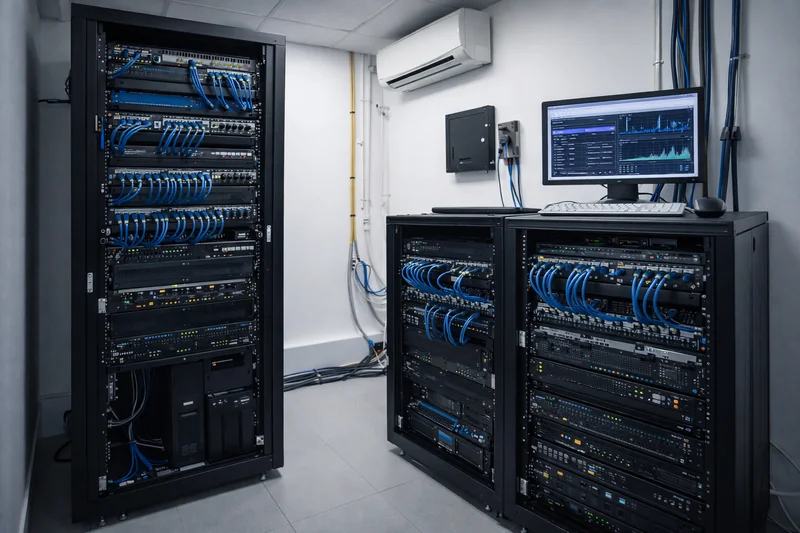
Pillars and panels are connected into a common network via RS-485, LAN, WiFi or LoRaWAN, chosen according to distance and terrain, while data reaches the main dashboard over copper cable or fibre.
Practical notes on deployment
It makes sense to trial a system of this kind first with a test installation on part of the site. The areas that need the most attention are accurate per-pillar consumption metering and the check-in module, which links the pitch, the pillar and the guest's bill. Once these two elements work reliably, the system can be extended to the whole campsite.