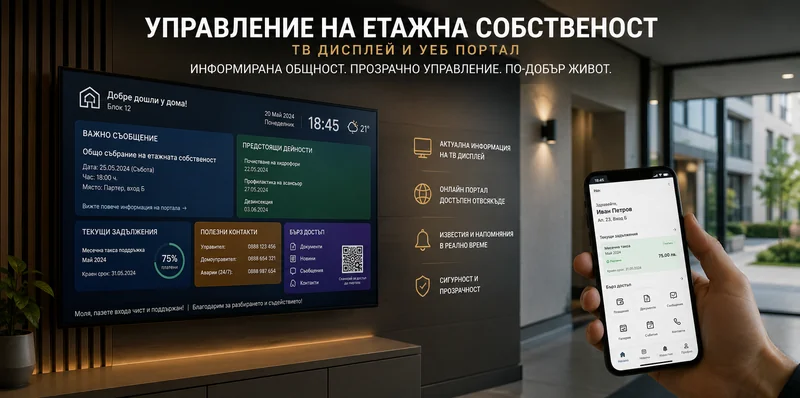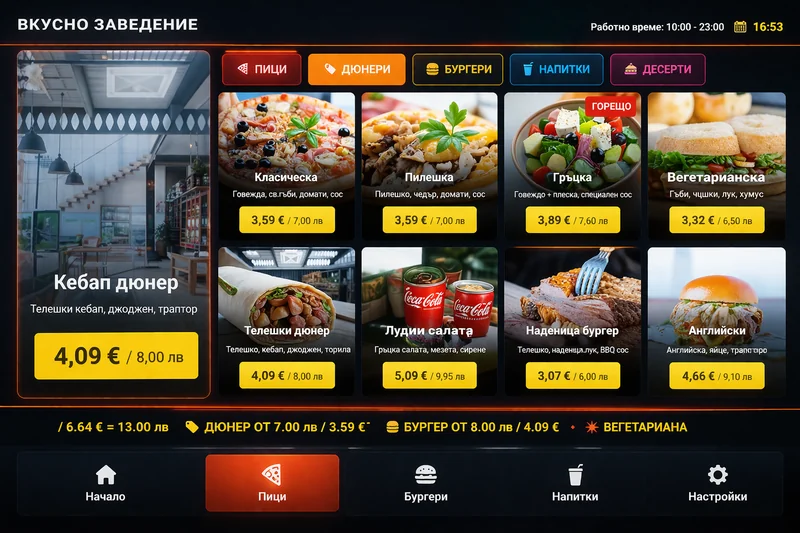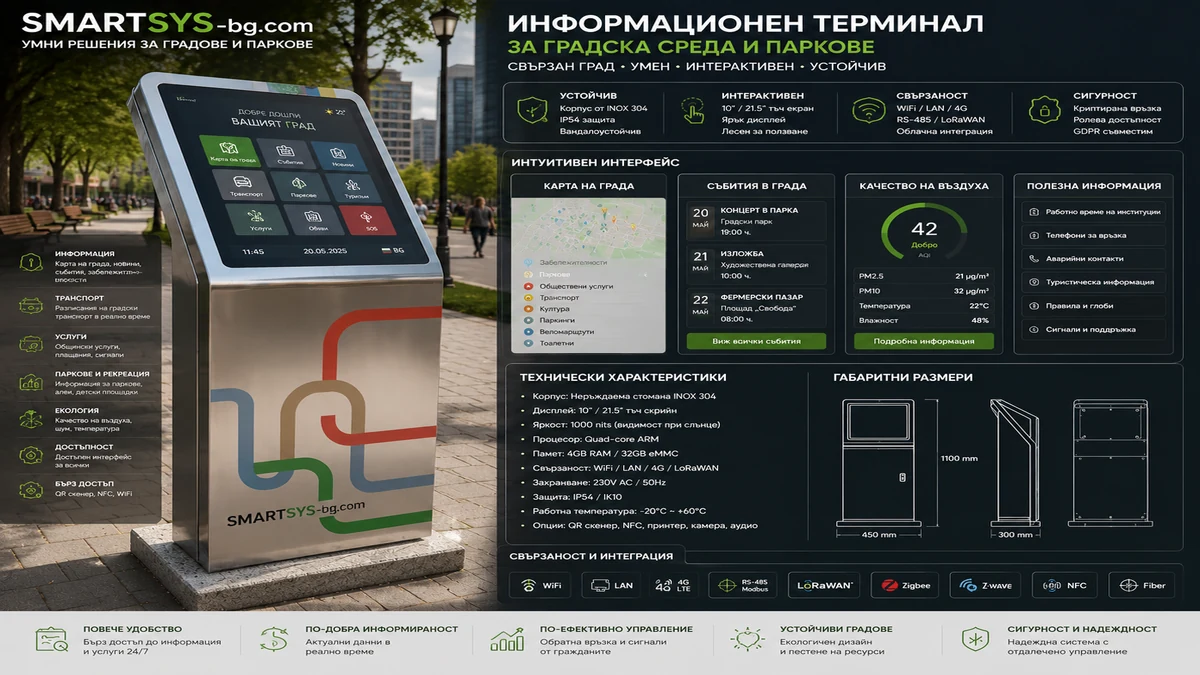
Information kiosks — also called information terminals or interactive displays — are increasingly appearing in central pedestrian zones and along the paths of city parks. They are touchscreens in a weatherproof enclosure that bring together a city map, current events, air quality data and useful information for passers-by, with no need to search for anything on a phone.
What makes an information kiosk useful
Behind the attractive screen lies functionality built around the real questions of a person walking through the park: “Where am I?”, “What is happening nearby?” and “Who can I turn to?”
- City map — landmarks, car parks, stops, cycle lanes, public services
- Current events — concerts, exhibitions, markets, with exact dates and times
- Air quality and weather — PM2.5, PM10, temperature and humidity, presented visually
- Real-time transport — public transport timetables
- Useful information — opening hours of public institutions, emergency numbers, tourist information, rules and fines
- SOS and reports — quick access in an emergency or for reporting an issue to the municipality
- QR/NFC access — for transferring information directly to a personal phone
Built to last outdoors
Outdoor placement imposes different requirements from ordinary office equipment. An INOX 304 stainless steel enclosure withstands rain, salt and vandalism; IP54/IK10 protection shields the electronics; an operating temperature range of -20°C to +60°C covers Bulgarian winters and summers; and a screen brightness of around 1000 nits keeps the display readable even in direct sunlight.
Connectivity and integration
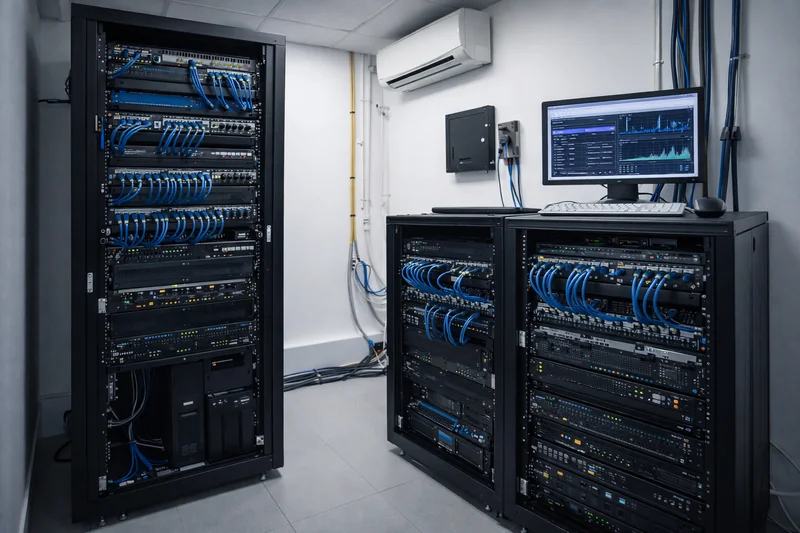
A kiosk rarely works on its own. Wi-Fi, LAN and 4G provide the main internet connection, while RS-485 and LoRaWAN allow sensors for air quality, noise or bin fill levels to connect directly to the same infrastructure. Encrypted connections, role-based access and cloud-based content management make it possible to update information on many kiosks at once, without visiting each one in person.
Where they are used
- City parks and gardens
- Central pedestrian zones and squares
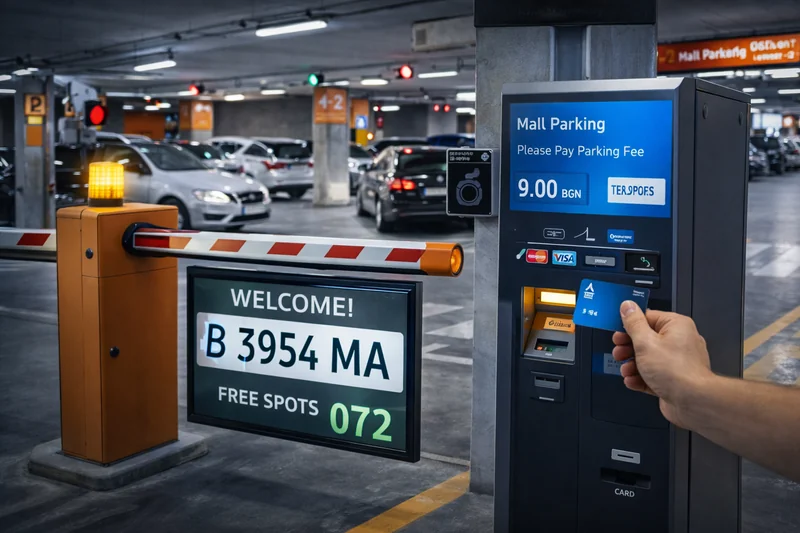
- Transport hubs — railway stations, bus stations, car parks
- Business parks and office complexes
- Residential and hotel complexes
- University campuses and tourist centres
Benefits for citizens and the municipality
For citizens, a kiosk means quick access to information and services 24/7. For the municipality or investor, it provides up-to-date real-time data, visitor feedback, more efficient management of public space and the image of a sustainable, well-maintained environment. Encrypted connectivity and remote management also mean security and reliability without a constant physical presence on site.
Building such a solution brings together several fields — outdoor communication infrastructure and cabling, IoT sensors and LoRaWAN networks, automation, and secure, encrypted connectivity. When a real, working system has to stand behind the screen, planning covers the whole path — from the choice of enclosure and power supply, through the air quality sensors, to integration with municipal data.