The problem without such a system
At most car parks and car washes, the owner only finds out whether the site is full or empty by going there in person. There is no data on how many cars enter and leave, which hours are the busiest or how many of the available wash bays are actually used. This is a nuisance for customers, who waste time looking for a space, and for the owner, who struggles to plan staffing and pricing.
Detecting free and occupied spaces
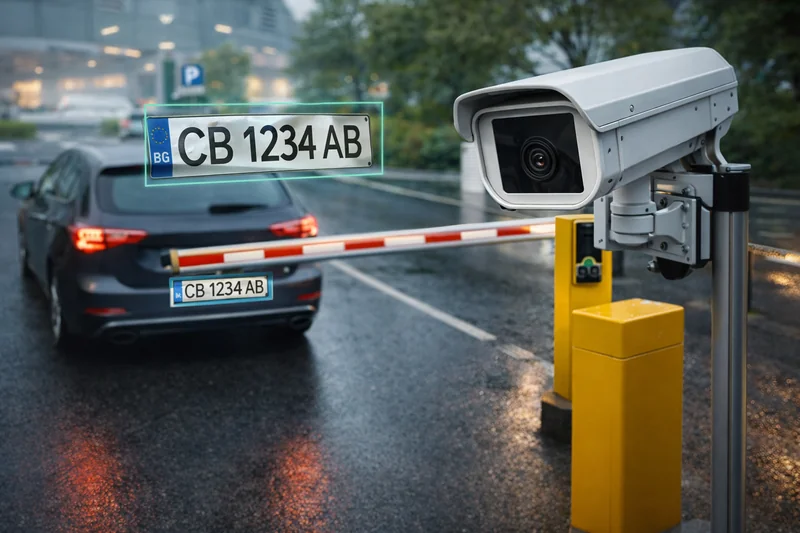
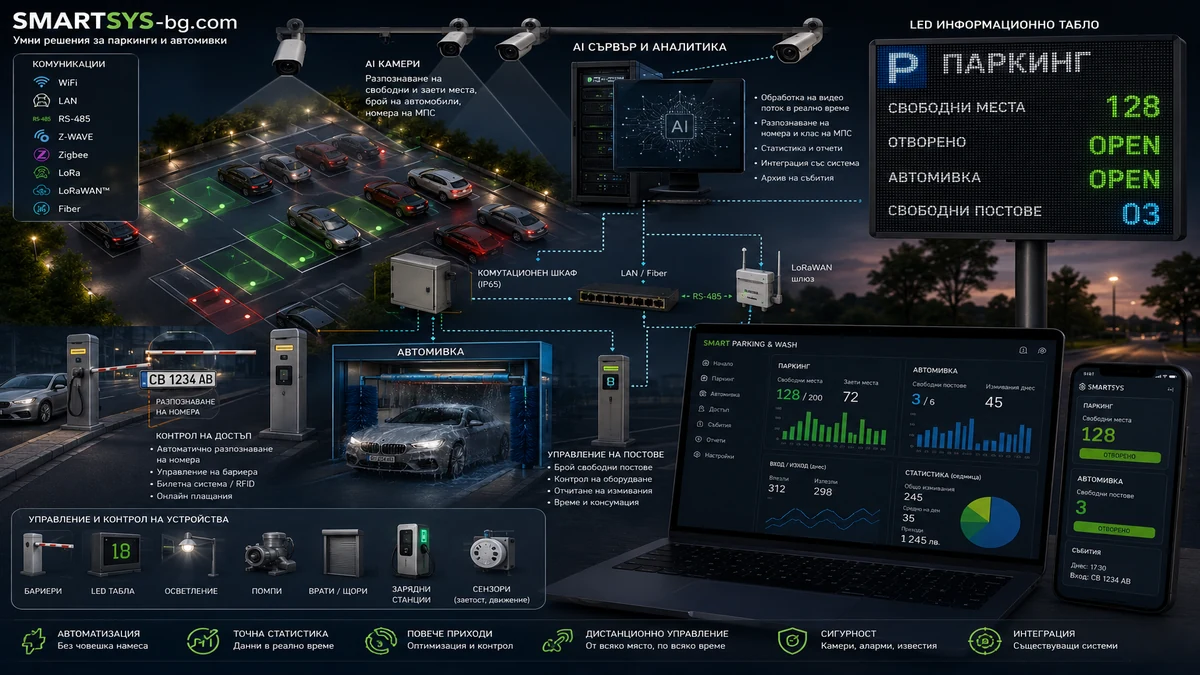
Cameras mounted above the car park continuously monitor which bays are occupied and which are free. The system reads the number plates of incoming vehicles and counts traffic without the need for extra staff at the entrance.
LED display with live information
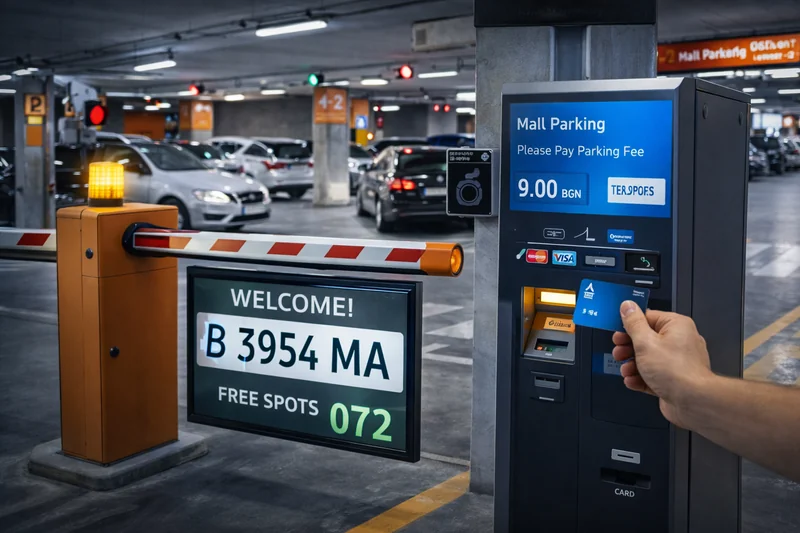
An LED display at the entrance shows in real time the number of free spaces, whether the car park is open and whether the car wash is currently operating, along with the free wash bays. Drivers see the information before they turn in.
Access control
- Automatic number plate recognition at the barrier
- Barrier control — raising and lowering without a card or remote
- Ticketing and RFID as a fallback
- Online payments
Car wash management
Each wash bay is monitored separately — free/occupied status, number of washes per day and average dwell time. The owner sees utilisation by the hour and can adjust opening hours or staffing to match actual traffic.
Statistics and reports
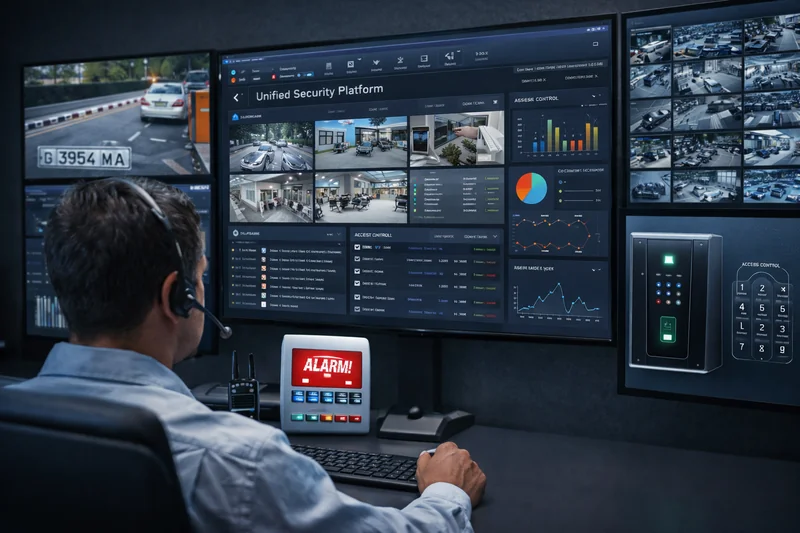
An online dashboard with charts shows free versus occupied spaces by hour, the number of washes, vehicle entries and exits, and revenue for the day and the week. The data is archived, so months and seasons can be compared.
Remote access from a phone
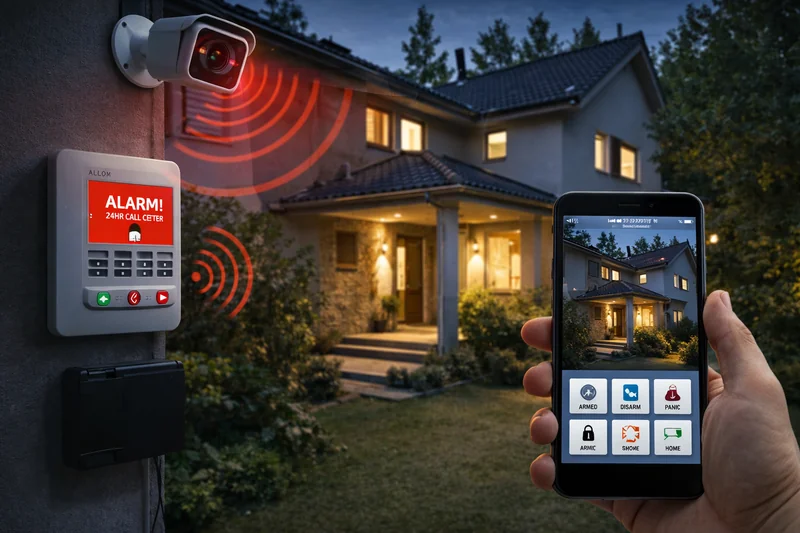
In addition to a computer, the statistics and status of the car park and car wash are also available in a mobile app, so the owner can check free spaces, turnover and recent events from anywhere.
Who the system is suitable for
The solution fits hotel car parks, shopping centres, seaside areas with car washes and any site where traffic varies throughout the day and the season and the owner wants real data rather than guesswork.
Practical notes on deployment
Systems of this kind are best refined on real installations. The cameras need to be tested under different lighting conditions — bright sunshine, shadows, rain and night-time lighting — because this determines how accurately occupied spaces are detected and number plates are read. The reporting dashboard is usually extended step by step, for example with revenue reports, once data from the site's actual operation has been collected.